
The finance ministry is arriving at a consensus to reject a proposal mooted in government to permit foreign direct investment (FDI) in multi-brand retailing.

ITC, which has a 14.98 per cent stake in EIH Ltd -- the company that runs the Oberoi chain of hotels -- is planning to subscribe to the upcoming EIH rights issue. This ends speculation that it might pull out after Reliance Industries Ltd picked up a stake in EIH.
The finance ministry has agreed to furnish sovereign guarantees on loans raised by National Aviation Company India Ltd, which flies under the Air India brand name. A top source in the ministry confirmed: "Yes, we will provide sovereign guarantee to Air India on its loans. After all, it is a company owned by the government."

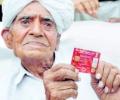
A Congress bastion over the years, the tribal dominated Nandurbar district in Maharashtra has been chosen for the launch of Aadhaar, the unique identity (UID) numbers.
PepsiCo India is planning to launch beverages and snacks priced below Rs 5. This is part of a drive to address the mass market looking for nutritional products. The new range, being developed in India, is expected to be launched on a pilot basis in select markets by next year.

In its communication to DoT, the DGA said the department had granted new unified access service licences to certain companies without proper verification of their eligibility and other credentials.
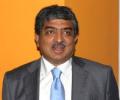
The newly constituted National Innovation Council (NIC) headed by Sam Pitroda, aims to have a $1-billion (around Rs 4,600 crore) fund to promote new ideas for inclusive development and innovation in the country.

The move is significant as it would extend the power of CAG -- set up to audit central and state government departments as well as PSUs -- to private sector companies.
This is based on the proposals given by a task force set by the government a year before to suggest measures to stimulate the growth of IT, IT-enabled services and the electronics hardware manufacturing industry. Electronics hardware production rose from Rs 84,410 crore (Rs 844.1 billion) in 2007-08 to Rs 94,690 crore (Rs 946.9 billion) in 2008-09, a growth of 12.1 per cent.

After individuals, now even institutions like government departments, schools and companies would get unique identification numbers (UIDs) to enroll the country's residents for the UID system.

The draft proposal of the five-year plan focuses on a multi-pronged strategy to achieve e-development: creation of e-infrastructure to facilitate and promote e-governance, promotion of electronics and information technology industry, promotion of e-inclusion, providing support for creating innovation, building knowledge networks and securing India's cyber space.
After individuals, now even institutions like government departments, schools and companies would get unique identification numbers (UIDs) to enroll the country's residents for the UID system. These institutions or service delivery organisations would get a UID-like identifier, called Entity ID, which would help enrol people and deliver services.

Despite their slugfest on the high street, Korean chaebols Samsung and LG have independently charted a similar strategy that will see India operations carve out a larger slice of their global turnover

Just four years before, Coke factories consumed over four litres of water for every litre of beverage sold. Now, it is 2.5 litres, a reduction of 34 per cent.

The MSP tender, considered as one of the largest information technology outsourcing contracts floated in India, is estimated to be in excess of Rs 1,000 (Rs 10 billion) crore for the 7-10-year lifespan of the project.
It's one tender that could usher in an era of partnership between domestic and global IT service providers, who compete fiercely for deals in India and abroad.

Telecom operators who offer BlackBerry services are also ISPs. The feasibility of this solution, says DoT, will be explored after discussions with the Intelligence Bureau as well as the ISPs.
Like any other government organisation, the Unique Identification Authority of India (UIDAI) is facing manpower crunch. Vacancies in eight of its regional offices have not been filled since they became functional in November 2009.

Huawei, the other big Chinese vendor, is yet to decide on the issue.
The consortia include algorithm and system integration providers.
 © 2026 Rediff.com - Investor Information - Advertise with us - Disclaimer - Privacy Policy - Sitemap - Feedback - About us - Terms of use - Grievances